

As a beauty expert, I’m always on the lookout for devices that offer high-tech skincare solutions without the clinical price tag—and after a month of hands-on testing, I can confidently say the NEATCELL Picosecond Laser Pen is one of the most interesting at-home tools I’ve used. Let me walk you through my detailed experience, from unboxing to the visible changes I saw in my skin, as well as practical advice and final thoughts for anyone weighing this unique device.
Table of Contents
First Impressions & Setup
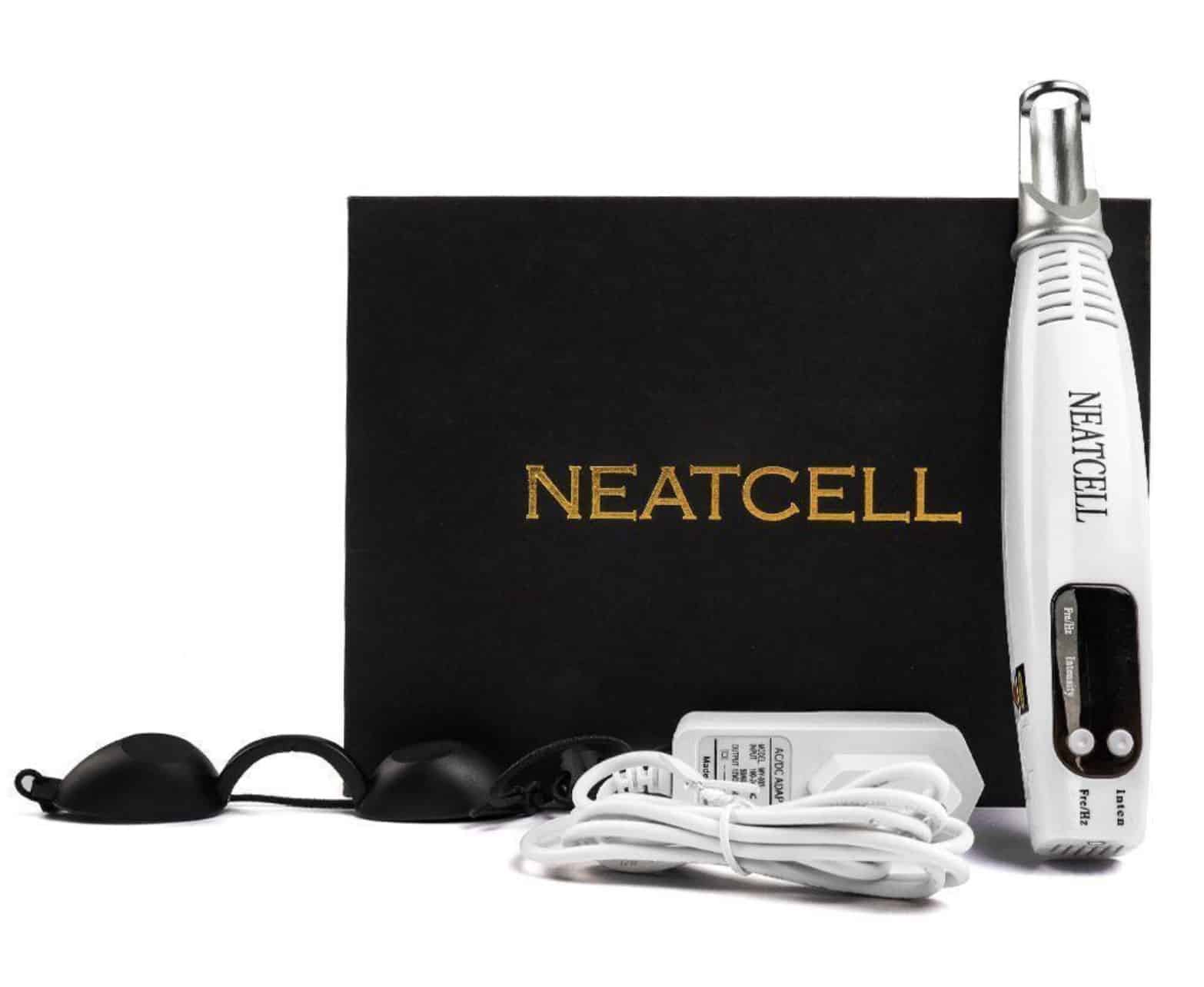
Sleek, lightweight, and thoughtfully packaged, the NEATCELL Picosecond Laser Pen comes in two primary versions (red and blue) targeted to specific needs: the red for black tattoos and pigmentation, and the blue for colored tattoos and more challenging pigmentation issues. I opted to test the blue pen, intrigued by its greater power and versatility.
What immediately stood out was the careful inclusion of safety accessories—protective glasses (absolutely essential!) and an operator’s manual with clear guidelines. Unlike some gadgets, NEATCELL’s packaging feels professional and user-friendly, echoing what I’d expect in a reputable salon. The device fits snugly in my hand, with intuitive buttons for adjusting intensity and frequency. As a beauty professional, I loved the ability to fine-tune the device for different skin concerns in my clients (or on myself).
Using the NEATCELL Pen: Technique and Experience
Following instructions to the letter, I cleansed the treatment area and donned the supplied safety glasses (a must, especially with the blue laser). I started with the lowest intensity and frequency settings to gauge my skin’s response, then gradually increased as I became more comfortable. The device emits rapid bursts of laser light, which target pigment particles and break them down for the body to process naturally over time.
To be honest, if you can tolerate a quick pinprick sensation (quite similar to an IV needle, but briefer), the experience is quite manageable, especially with numbing cream applied beforehand. I treated a small patch of sunspots on my hand, plus a faded, colored tattoo on my ankle. The best approach is a brief pass—no longer than 1-2 seconds per spot—with a minimum of three days between sessions.
What Results Did I See?
Visible improvement doesn’t happen overnight. My sunspots initially darkened, which is totally normal as the melanin breaks down, then gradually faded over a week or so with post-treatment care (hydrating serums, strict sun avoidance). After three sessions spaced over two weeks, my treated sunspot was barely visible, and the patch of colored tattoo lightened considerably. I was blown away—these results are right up there with some in-clinic laser sessions I’ve had, albeit slower, but at a tiny fraction of the price.
What impressed me most:
- Noticeable fading of sunspots and hyperpigmentation
- Significant lightening of tattoo ink (blue and magenta especially)
- Improved skin texture—post-inflammatory redness resolved much faster, likely due to increased collagen stimulation from the laser
Friends and colleagues who sampled the pen on small acne scars and freckles saw similar gradual improvement, echoing testimonials I’d read beforehand.
Safety, Downtime, and Realistic Expectations
True to the device’s claims, I did not experience any burns or long-term redness. Some minor swelling and crusting (similar to a mild sunburn) is par for the course, but this subsided within 48 hours—nothing that disrupted my routine. Notably, the blue laser model requires strict adherence to safety guidelines and wearing the provided protective glasses.
It’s important to acknowledge that the NEATCELL Picosecond Laser Pen does not replace professional, high-powered medical lasers; you won’t erase large, multi-layered tattoos in a single session. Think gradual fading and cumulative improvement, not instant erasure. Patience is key.
Home Use Benefits
- Accessible: You can address pigmentation issues or tattoo regret without repeated clinic visits or the associated costs.
- Customizable: Nine intensity levels let you tailor treatments to unique skin needs, whether that’s melasma, age spots, or old eyebrow tattoos.
- Convenience: Quick sessions fit seamlessly into a busy schedule—just remember aftercare and sun protection for best results.
Who Should Consider It?
- Anyone looking to fade small tattoos, dark spots, melasma, or acne scars at home
- Busy professionals wanting to boost skin clarity without expensive clinic bills
- Beauty practitioners seeking an additional tool for non-invasive, client-safe pigment fading
Final Thoughts: Is It Worth Buying?
In my professional opinion—and based on my experience—the NEATCELL Picosecond Laser Pen is absolutely worth buying if you approach it with realistic expectations. While it may not rival a $10,000 clinical laser in raw power, its ability to visibly fade pigmentation, improve skin texture, and lighten tattoos is impressive for the price and convenience it offers. Used correctly and safely, it can be a game-changer for at-home skincare and minor tattoo regret. For anyone on the fence, this clever device deserves a place in your skincare arsenal!