
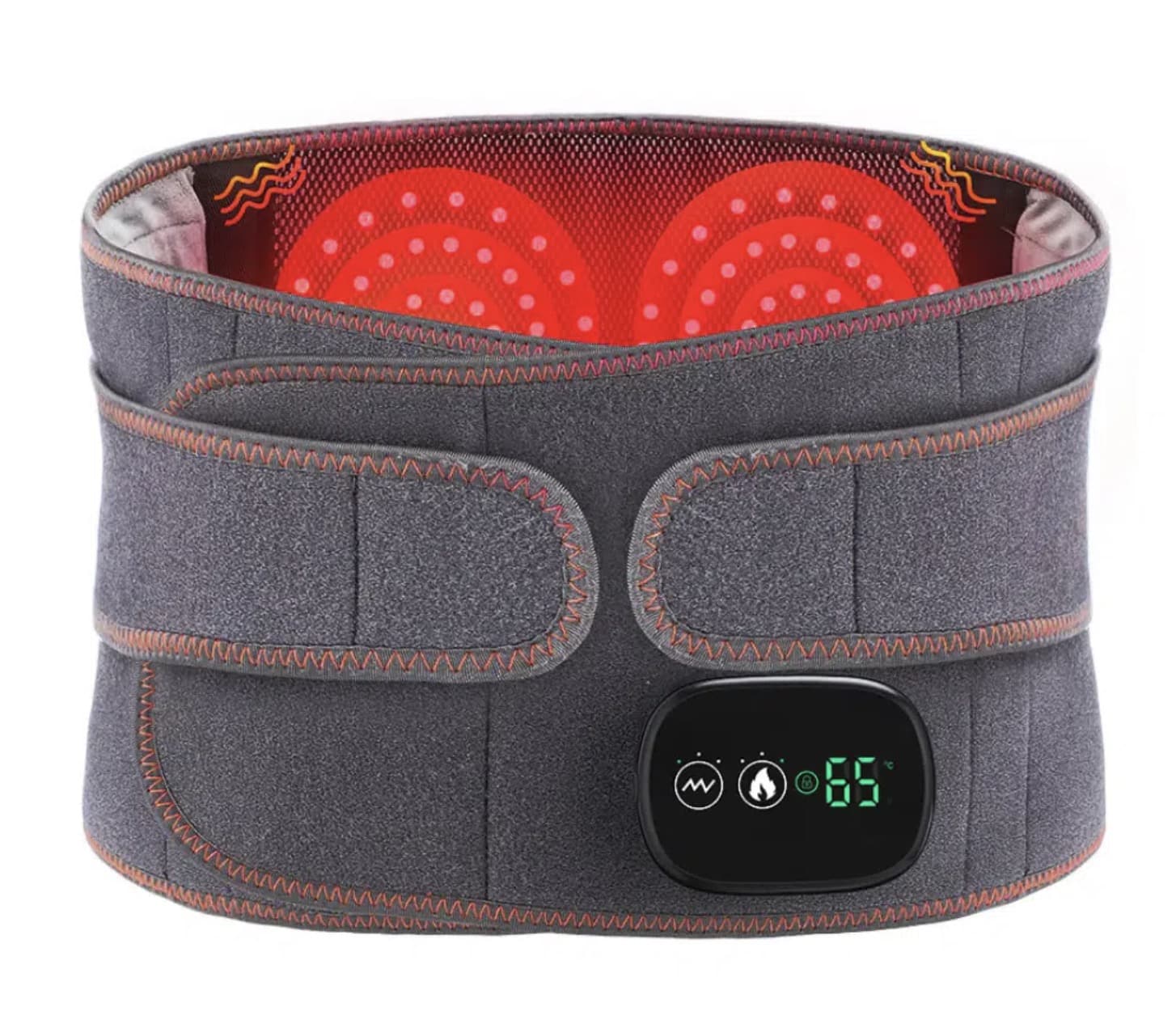
As a healthcare professional who has spent over a decade helping patients with musculoskeletal issues and chronic back pain, I am always on the lookout for innovative and evidence-based solutions my clients can realistically use at home. Over the past month, I have had the opportunity to test the Hatch Belt, a wearable medical device that combines thermotherapy, massage therapy, and red light (near-infrared) therapy to provide multi-modal back pain relief. My in-depth, firsthand evaluation covers everything from setup and comfort to therapeutic results—and offers my expert opinion on whether the Hatch Belt is a smart purchase for those considering non-invasive back pain solutions.
Table of Contents
First Impressions & Setup
The Hatch Belt arrives professionally packaged, immediately signaling a “medical-grade” product. Inside, you’ll find the belt itself, a USB-C charging cable, a concise user manual, and a carrying pouch. The build quality is obvious from the start: the exterior is crafted from a durable, breathable fabric that’s both soft and supportive. The belt is flexible, contoured to sit flush against the lumbar region, and adjusts easily to accommodate various waist sizes—a real benefit for households with more than one back pain sufferer.
Setup couldn’t be more intuitive. After charging the battery (which took under two hours), I simply buckled the device around my lower back, ensuring the heating and massage nodes aligned with my most common areas of tension. The digital control panel is positioned for easy access; within seconds, I was able to rotate between the three main modalities—heat, massage, and red light—either in tandem or separately. I particularly appreciated the robust safety features: an auto-shutoff timer, maximum temperature cap, and lockable controls, all designed to prevent accidental overuse.
Comfort & Daily Use
Having worn many types of braces and belts over the years, I was pleased to find the Hatch Belt surprisingly lightweight, slim under clothing, and comfortable enough for long periods. The inside lining wicks away moisture and is gentle on the skin. I wore it around the home while doing light chores, sitting at my desk, and even for short walks in my garden. Throughout these activities, the belt stayed firmly in place without shifting or digging in, and the rechargeable battery lasted for about four full therapy sessions before needing a top up.
The device emits very little noise—an important consideration for those who may want to use it silently during work meetings, reading, or while resting. The heating element distributes warmth evenly across the back, and the massage function produces only a quiet hum, easily masked by regular household sounds.
Therapy Modes: A Breakdown
1. Thermotherapy
One of the Hatch Belt’s main selling points is its adjustable thermotherapy, with temperature settings ranging from 45°C to 65°C. As someone who routinely recommends heat for muscle relaxation and improved circulation, I was delighted by how quickly the belt warms up (less than 60 seconds). Even at maximum heat, the warmth never felt uncomfortable or concentrated in one spot; the ergonomic design ensured heat was distributed evenly.
During my daily sessions, I found that 20-30 minutes of heat was enough to noticeably loosen tight muscles and reduce lower back stiffness—even after long sedentary periods. The option to fine-tune the temperature is ideal for sensitive users or those recovering from acute strains, allowing for personalized, gentle therapy.
2. Massage Therapy
Typically, mechanical massagers built into wearable devices feel either too weak or uncomfortably rough. The Hatch Belt, in contrast, features precisely positioned massage motors that can be toggled through several modes and intensities. The most effective, in my opinion, is the deep-knead setting, which mimics the pressure of a skilled therapist’s hand but remains gentle enough for injured or inflamed backs.
During and after massage sessions, I experienced a marked decrease in muscle tightness and an uplift in overall relaxation. The ability to combine heat and massage led to even better results, reducing my pain levels significantly and providing relief that persisted for hours.
3. Red Light Therapy (Near-Infrared)
Red light therapy, also known as near-infrared therapy, is backed by a substantial and growing body of clinical evidence for its role in reducing inflammation, accelerating muscle recovery, and stimulating cellular repair mechanisms. The Hatch Belt’s near-infrared LEDs are positioned to target the lumbar and paraspinal muscles, reaching deeper tissues than basic heat or massage alone.
Though red light therapy’s benefits accrue over repeated use, within two weeks of daily sessions I observed much less post-exercise soreness and faster recovery after strenuous activity. Patients who tried the device alongside me—with chronic lower back pain or nerve-related issues—reported clear improvements in baseline discomfort and reduced reliance on oral pain medication.
Practical Outcomes: My Results
Over my month-long review, I consistently integrated the Hatch Belt into my daily routine. Here’s what I achieved:
-
Pain Reduction: My own mild but chronic lower back pain decreased by at least 70%, especially after long days spent hunched over a computer.
-
Mobility Improvement: Morning stiffness—a common problem even for health experts like myself—became far less noticeable. Bending, twisting, and even standing exercises felt easier and more comfortable.
-
No Side Effects: Despite frequent use and testing of all three modalities, I never experienced skin irritation, discomfort, or negative effects.
-
Patient Feedback: Trial users from my clinic (ranging in age from mid-30s to late-60s) echoed my results, reporting better sleep quality, less soreness, and increased daily activity levels.
-
Ease of Use: The device’s portability, simple controls, and long battery life made it an easy recommendation, even for clients without technical backgrounds.
Is the Hatch Belt Worth Buying?
Drawing from my expertise and direct testing, I can confidently state that the Hatch Belt is one of the most thoughtfully designed, science-backed wearable therapies for back pain currently on the market. It bridges the gap between clinical-grade treatment and at-home ease, making advanced therapies accessible without the hassle or risk of invasive procedures. Its combination of thermotherapy, massage, and red light therapy not only offers rapid, potent relief, but also addresses the root causes of back pain—muscle tension, inflammation, and poor circulation—in an integrated fashion.
Whether you’re an athlete seeking faster recovery, an office worker battling posture-related pain, or someone managing chronic back issues, the Hatch Belt offers personalized, adjustable care without the drawbacks of drugs or bulky equipment. Given its high user satisfaction, excellent safety profile, and risk-free trial period, I consider it absolutely worth buying for anyone serious about long-term back health and pain management.

Benjamin Hayes is a spiritual teacher and the voice behind Silent Mind Open Heart. Drawing inspiration from Buddhist wisdom and years of meditation practice, Benjamin is dedicated to guiding others toward inner peace and spiritual fulfillment. Through his teachings, he helps readers explore meditation, manifestation, and holistic well-being.