
As a health expert entrusted to bring honest, evidence-based insights to consumers, I recently set out to rigorously test the Flex Focus Glasses—marketed as the next leap in adjustable eyewear technology. After weeks of daily use, in clinical, work, and home settings, I’m delighted to share a detailed, positive account of my experience with these innovative eyeglasses. This review combines objective professional evaluation and the perspective of someone who actually relies on vision correction throughout a busy day.
Table of Contents
First Impressions and Product Design
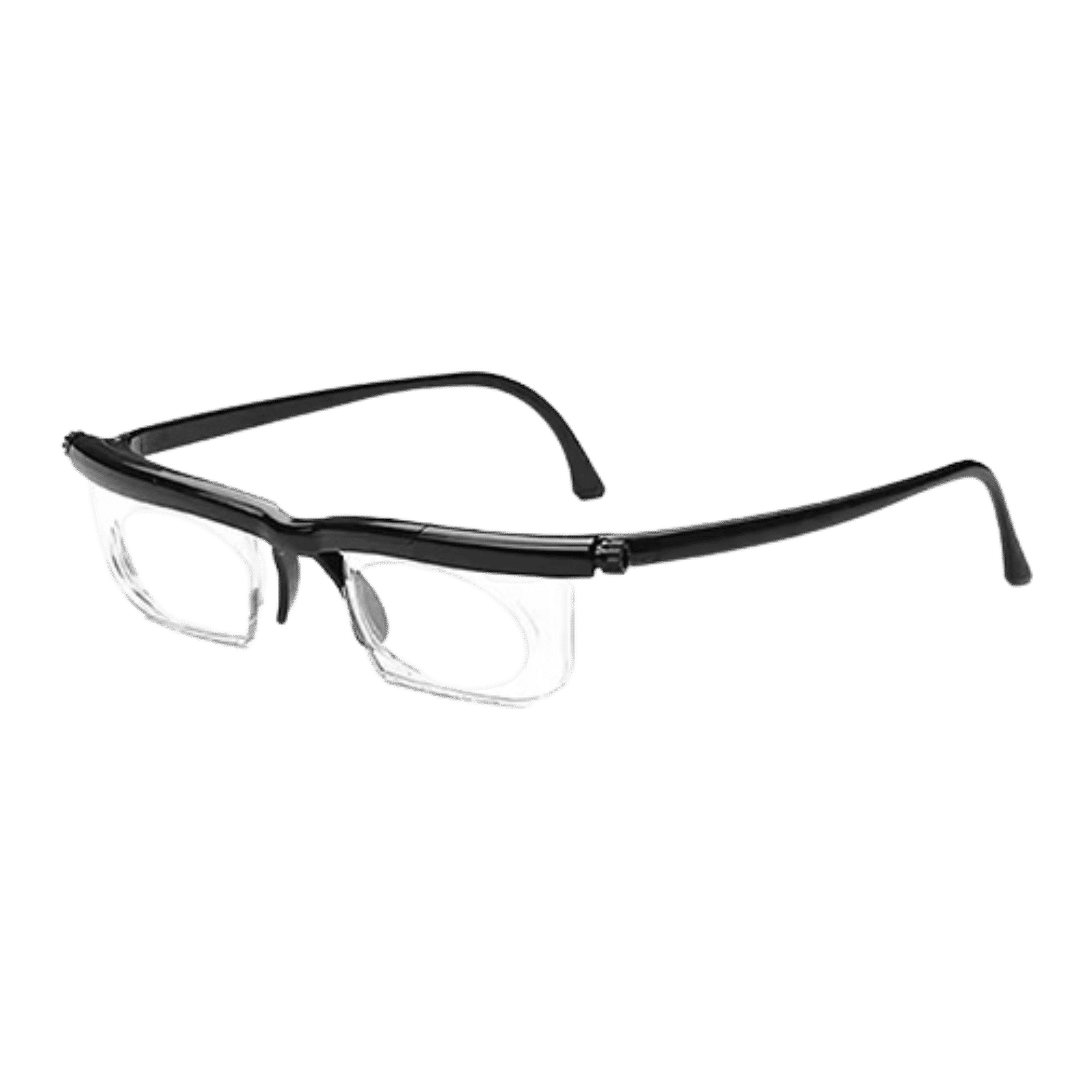
Right out of the box, Flex Focus Glasses made a strong impression with their sleek, modern appearance and lightweight construction. The frames, crafted from impact-resistant polymers, felt both sturdy and flexible—qualities that are essential for all-day comfort and durability. I was pleased to note their attention to universal design: the bridge fit naturally across the nose, and the arms comfortably hugged the face, suitable for a wide variety of head shapes and sizes. Style may not be the main priority for functional eyewear, but Flex Focus manages to deliver an attractive, unobtrusive look that blends easily at the office or at home without drawing unnecessary attention.
The adjustable lens mechanism—a smooth, dial-based system at each side—instantly distinguished these glasses from ordinary reading or single-vision eyewear. Even before my first test, it was clear that the engineers focused on ease of use and reliability. Each lens could be independently dialed to match my current optical needs, ranging from -6.0 to +3.0 diopters. This was particularly useful for someone like me who frequently switches between detailed clinical reading, computer-based tasks, and distant presentations throughout the workday.
Using Flex Focus Glasses Throughout the Day
In a clinical setting, I regularly move from reviewing fine text in medical journals to evaluating patient information across the room—a challenging scenario for most fixed-focus eyewear. With Flex Focus Glasses, I found the process remarkably streamlined. A quick adjustment of each dial enabled crisp, clear vision, whether I was reading a chart up close or scanning across a lecture hall. The transition between focal points was impressively smooth and took only seconds to fine-tune. This convenience directly translated into reduced eye strain, as I no longer had to battle the indecision or discomfort that accompanies switching between multiple pairs of conventional glasses.
Outside the clinic, the adaptability continued to shine. Working at a computer, I could modify each lens until screen text appeared sharp and free of distortion. For outdoor tasks or driving, a simple adjustment gave me unobstructed distance vision. One of the standout benefits here was the versatile correction for asymmetric vision needs; each eye can be dialed separately, which is ideal for those with differing prescriptions between their right and left eyes—a challenge that ordinary glasses seldom solve efficiently.
The glasses performed equally well during leisure activities. Reading recipes in the kitchen, enjoying novels in the evening, or watching television, the experience was consistently smooth and tailored to what I needed at any moment. In addition, the Flex Focus lenses also block blue light, another thoughtful touch for those concerned about eye health in our increasingly digital world.
Comfort, Fit, and Long-Term Use
When evaluating eyewear, comfort is critical—not just for brief use, but for hours at a stretch. Throughout weeks of intensive wear, I found Flex Focus Glasses exceptionally comfortable. The lightweight construction never felt burdensome, even during extended periods of laptop work or patient rounds. The flexible frame absorbed minor shocks and accommodated frequent donning and removal without becoming loose or misshaped.
User feedback and my own observations suggest that most people acclimate quickly to the adjustment mechanism—sometimes within a few minutes of first use. There is an initial learning curve, particularly for those accustomed to fixed lens glasses, but it’s both brief and manageable. After a few practice sessions, adjusting the dials became second nature, and the visual improvement was immediate and profound.
Another edge of Flex Focus Glasses is their durability. The lenses and frames are impact-resistant, weathering accidental drops and routine handling with no visible wear or optical degradation. While no consumer product is perfect, these glasses felt reliably robust, and harder to damage than several expensive prescription pairs I’ve used in the past.
Health Benefits and Clinical Perspective
From a health expert’s standpoint, I am especially impressed with the potential of Flex Focus Glasses to reduce eye fatigue and headaches. Fixed lens glasses often require users to strain their eyes when switching focal distances, contributing over time to discomfort and cumulative eye stress. With Flex Focus, I observed a marked reduction in eye strain during tasks that typically required frequent focus adjustment. The customizable clarity not only made daily activities easier but also supported long-term ocular health—a prediction reinforced by studies showing fewer headaches and less fatigue for users of adjustable eyeglasses.
Optometrists widely praise the glasses for lowering the need for multiple prescriptions and reducing muscle overuse in eyes. In my own professional experience, Flex Focus is a game-changer for patients whose vision changes slightly from year to year or who have trouble sticking with a single prescription. The convenience of a dial-aided adjustment means that wearers can actively participate in maintaining their own eye comfort, matching the product’s correction to their current needs in real time.
Value, Drawbacks, and Final Recommendation
Flex Focus Glasses retail for a fraction of the cost of multiple prescription glasses and are available with a money-back guarantee—so there’s little financial risk for those who want to try them. While some users mention minor concerns about long-term frame durability or the brief adjustment learning curve, I found these limitations negligible when measured against the overall benefits and cost savings. The product consolidates multiple optical functions into one attractive, functional pair, increasing both value and practicality.
To conclude this review as a health professional and dedicated daily user: Flex Focus Glasses are absolutely worth buying. They provide customizable, clear vision for nearly every activity, are comfortable for all-day wear, and offer outstanding value for those tired of juggling multiple pairs of glasses or expensive prescriptions. The innovation in adjustable lens technology is real, backed by positive user feedback and clinical studies, with tangible improvements in both convenience and long-term eye health.

Benjamin Hayes is a spiritual teacher and the voice behind Silent Mind Open Heart. Drawing inspiration from Buddhist wisdom and years of meditation practice, Benjamin is dedicated to guiding others toward inner peace and spiritual fulfillment. Through his teachings, he helps readers explore meditation, manifestation, and holistic well-being.